
Consultant Orthopedic Surgeon in Avisena Specialist Hospital 2, Shah Alam | English • Bahasa Malaysia • Tamil • Telugu

The Ortho Insider

A patient education hub by Dr Ram Kumar Rao

helping you understand orthopedic conditions, recovery, exercises, and treatment options with simple, evidence-based guidance.

Find What You Need

📖 Articles

Simple orthopedic explainers.

🌟 Success Stories

Real patient recovery journeys.

💪 Exercises

Guided rehab movements.

FAQs

Quick answers before clinic.

MAIN HUB

Explore The Ortho Insider

Everything you need to better understand your condition and recovery journey.

Blog

Articles on orthopedic conditions, injuries, and treatments.

Success Stories

Real patient recovery journeys and testimonials.

Exercise Library

Videos, PDFs, and guided rehabilitation exercises.

Patient Education

Simple explanations of common orthopedic conditions.
FAQs

Answers to common orthopedic questions.

BLOG
Articles That Help You Understand Your Orthopedic Health

Learn about orthopedic conditions, treatment options, and recovery.

Rectangle 163
Read More
Rectangle 162
Read More
Rectangle 161
Read More
Success Stories

Real Patients. Real Recovery.

Discover how personalized orthopedic care has helped patients reduce pain, regain mobility, and return to the activities they love.

Before
Persistent pain and limited mobility.

Diagnosis
A clear diagnosis based on clinical assessment and imaging.

Treatment
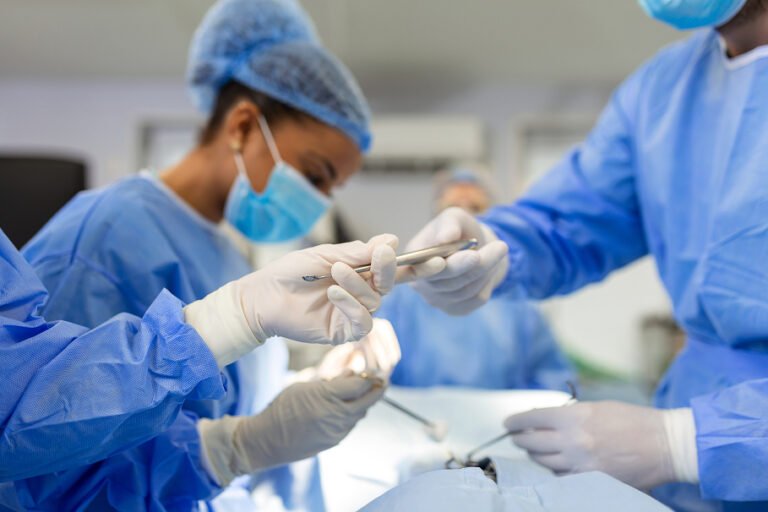
Personalized treatment plan, with surgery where appropriate.

After
Reduced pain, improved mobility, and a return to everyday activities.

Exercise Library

Exercises To Help You Move Better

Guided exercises to help you recover, strengthen, and move better.

🦵 Knee Pain

• Straight Leg Raise
• Quad Strengthening
• Clamshell Exercise

💪 Frozen Shoulder

• Pendulum Exercise
• Wall Climb
• Towel Stretch

🤚 Carpal Tunnel Syndrome

• Median Nerve Glides
• Wrist Stretches
• Ergonomic Tips

Patient Education

Learn Before Your Consultation

Simple, easy-to-understand guides to help you better understand your condition and treatment options.

Do I need surgery?

Learn when surgery is necessary and when non-surgical treatment may be suitable.

Will arthritis get worse?

Understand arthritis progression and the available treatment options.

Can implants rust?

Get answers to common concerns about orthopedic implants and their safety.

Can I exercise after injury?

Learn when it’s safe to stay active and when to seek medical advice.

FAQ Centre

Frequently Asked Questions

Everything you need to know before your consultation.

You should consider seeing an orthopedic surgeon if your pain has lasted more than 2–4 weeks, is getting worse, limits your daily activities, or follows an injury. Early assessment can help identify the cause and may prevent more serious problems from developing.

Yes. Many patients with early or moderate knee arthritis can be managed without surgery. Treatment options may include lifestyle modification, physiotherapy, medications, weight management, joint injections, and strengthening exercises. Knee replacement is usually considered only when pain significantly affects your quality of life and conservative treatments are no longer effective.

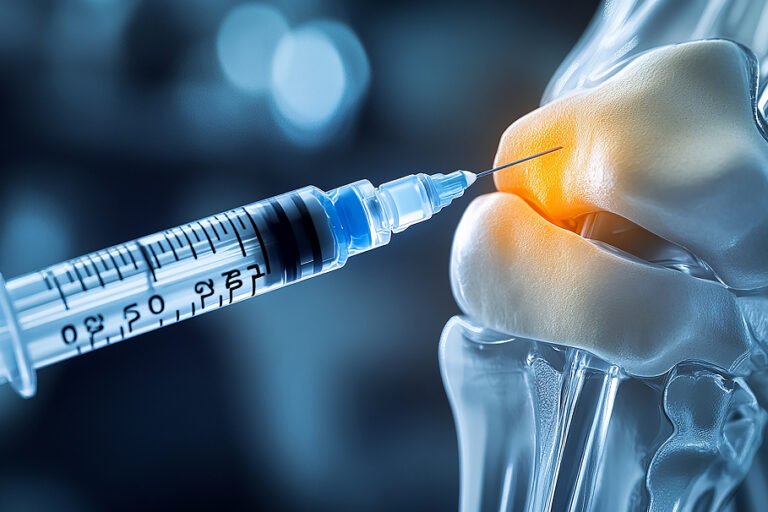
Joint injections can help reduce pain and improve function in selected patients. Depending on your condition, options may include corticosteroid injections, hyaluronic acid injections, or platelet-rich plasma (PRP). The most suitable injection depends on your diagnosis, symptoms, and stage of arthritis. A consultation is important to determine the best treatment for you.

No. Many sports injuries can be treated successfully without surgery through rest, rehabilitation, physiotherapy, bracing, and activity modification. Surgery is generally recommended only when there is significant ligament damage, joint instability, cartilage injury, or when conservative treatment has not relieved your symptoms.

Not always. Many orthopedic conditions can be diagnosed through a detailed history, physical examination, and X-rays. An MRI is usually recommended when a soft tissue injury such as a ligament, tendon, or cartilage problem is suspected, or when symptoms persist despite initial treatment.

Most fractures heal within 6 to 12 weeks, although recovery varies depending on the type of fracture, age, general health, and whether surgery is required. Some complex fractures may take several months to recover fully. Your orthopedic surgeon will monitor healing with follow-up examinations and X-rays.

Physiotherapy plays an important role in recovery for many orthopedic conditions. It helps restore movement, strength, flexibility, and function after injuries or surgery. Not every patient requires formal physiotherapy, but Dr Ram will recommend the most appropriate rehabilitation plan based on your condition.

Surgery is not always the first option. Most orthopedic conditions are initially treated with conservative methods whenever appropriate. Surgery is usually recommended only when non-surgical treatments have not relieved your symptoms, when there is significant structural damage, or when delaying surgery may lead to poorer outcomes. Dr Ram will discuss all available treatment options and help you make an informed decision based on your individual needs.

Still Unsure About Your Pain?

Reach out to us for all your orthopedic needs — so you can move better, pain-free.

CONTACT US

Get In Touch With Dr Ram Today!

Welcome

Expert Orthopedic Care

Helping you move better with evidence-based treatment.

Please choose your preferred language.

Continue using my browser language
We will show the website in your browser language if supported.

You can change your language anytime using the icon at the top of the website.

Call Now Button